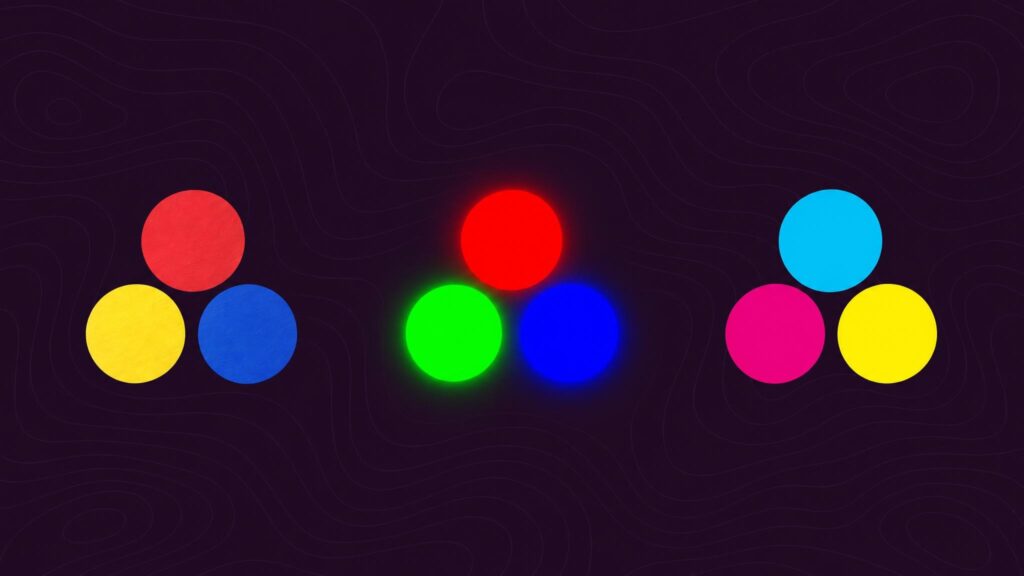
What Are the Primary Colors? (Paint, Light, and Print)
The primary colors are red, yellow, and blue in paint, red, green, and blue in light, and cyan, magenta, and yellow in print. See how each set mixes.


Posts about color theory from the ColorKit blog.
The primary colors are red, yellow, and blue in paint, red, green, and blue in light, and cyan, magenta, and yellow in print. See how each set mixes.
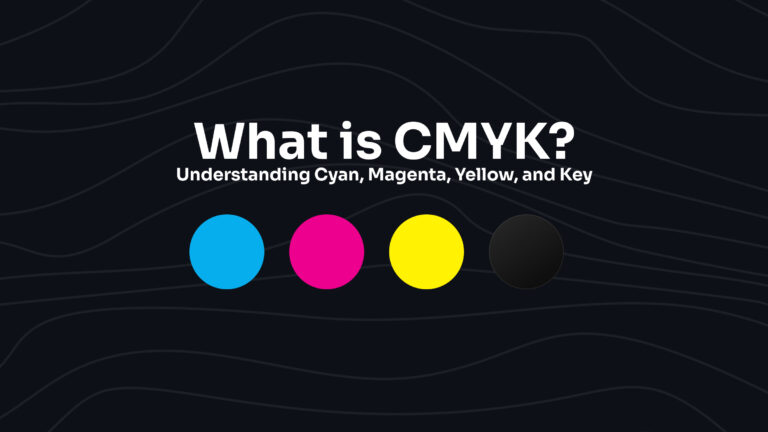
Learn what CMYK stands for, how the subtractive color model works, and when to use CMYK vs RGB for accurate print colors.

Explore color meanings and their impact on emotions and design. Discover how colors can transform spaces and brand identities.

Learn what hex colors are, how six-digit hex codes work, and how to read them, with examples and tools for picking the right color.
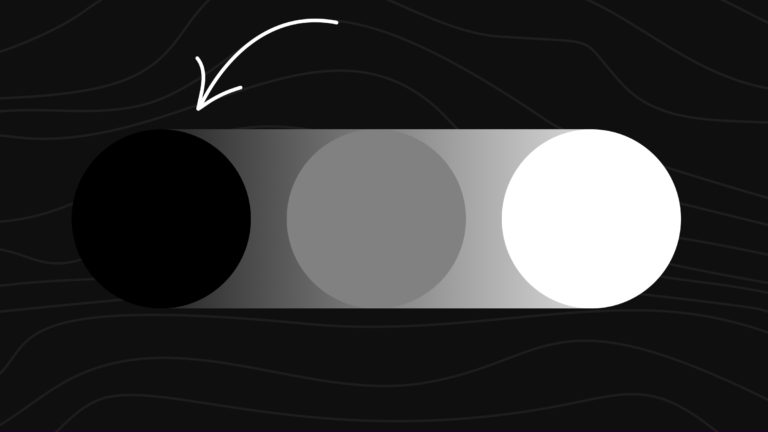
How to mix black with paint: ultramarine + burnt umber, primaries, warm vs cool recipes, plus the best near-black hex codes for screens.
Pink is made by mixing red and white. See 17 named pink shades (hot pink, fuchsia, blush, salmon, coral, baby pink, millennial pink, rose gold) with hex codes, recipes, and palettes.
Whether it be fashion, art, or décor, the color turquoise commands a central position. But, what colors make turquoise? Read on to find out.
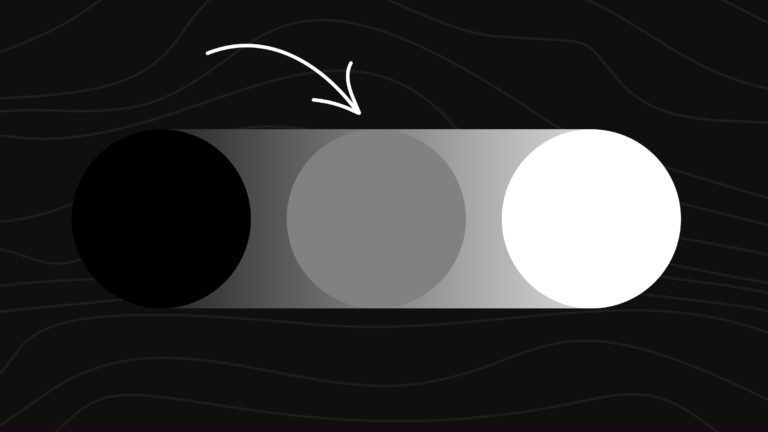
How to mix gray with paint: black + white, complement pairs, warm vs cool recipes, plus the gray hex codes that actually work for design.

Yellow plus blue makes green in paint. In CMYK, cyan plus yellow. On screens, green is a primary in RGB. See 14 green shades with hex codes, recipes, and ready-made palettes.

Orange is a secondary color made by mixing red and yellow. See 14 orange shades (burnt, peach, coral, rust, tangerine, pumpkin) with hex codes, mixing recipes, and ready-made palettes.