

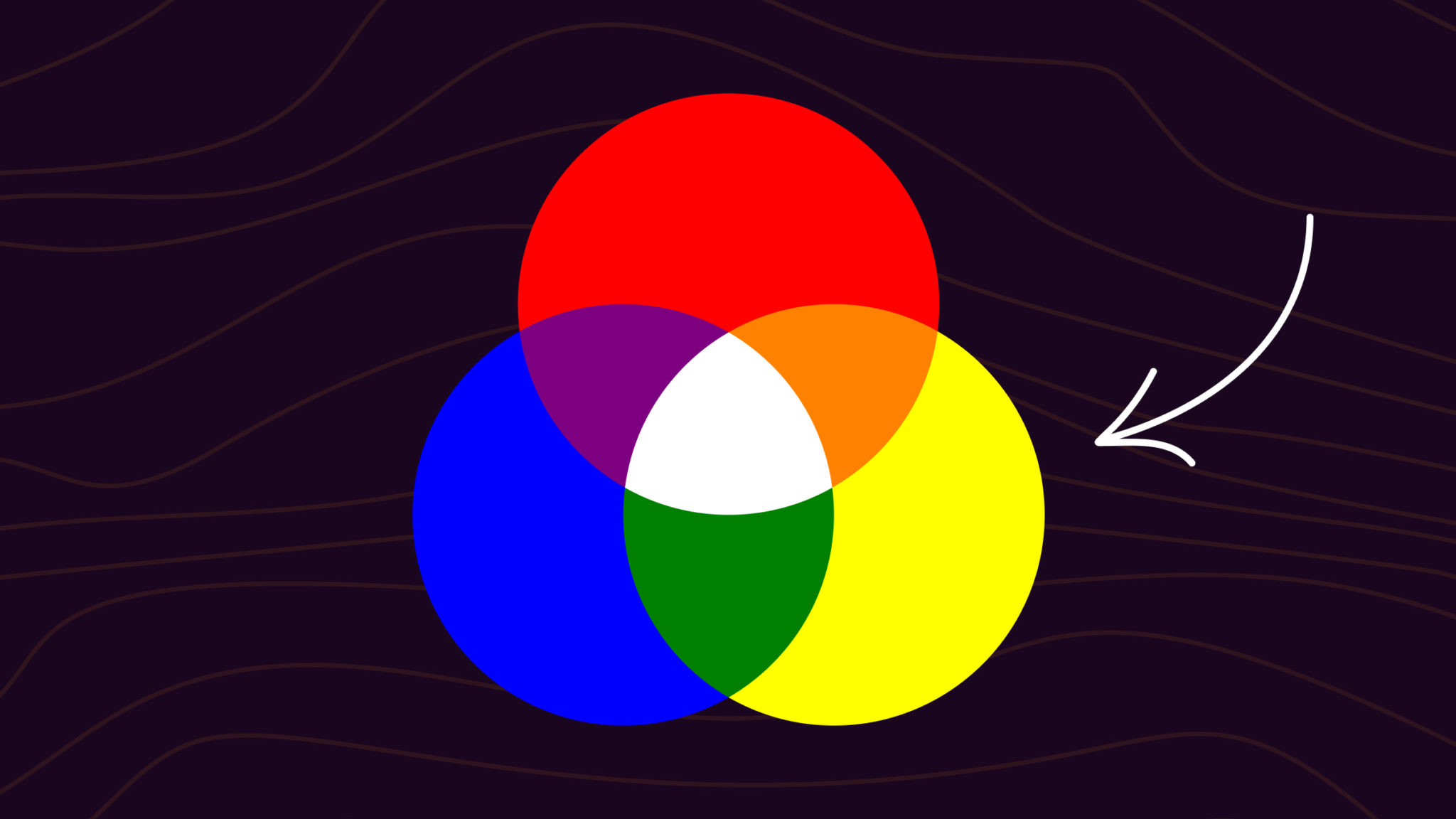
Yellow is a primary color in paint, so you cannot mix it from other pigments. On screens, yellow is made by mixing red and green light. In printing, CMYK has yellow as one of the four base inks. If you already have yellow and want a specific shade, you can shift it: add white to lighten, add purple or brown to darken, add red to warm it, or add blue to cool it.
Below, we cover all three color models (RGB light, CMY printing, RYB paint), walk through the most useful yellow shades with hex codes, and link to ready-made palettes you can copy into any design tool. Whether you spell it ‘colors’ or ‘colours’, the answer is the same: yellow is a primary pigment.
The Short Answer
On screens, yellow is created by mixing red and green light (additive mixing). In paint and ink, yellow is already a primary pigment. You cannot mix it from other colors, but you can adjust it: lighten with white or gray, warm with red or burnt sienna, cool with blue, and darken with purple, brown, or a deeper yellow.
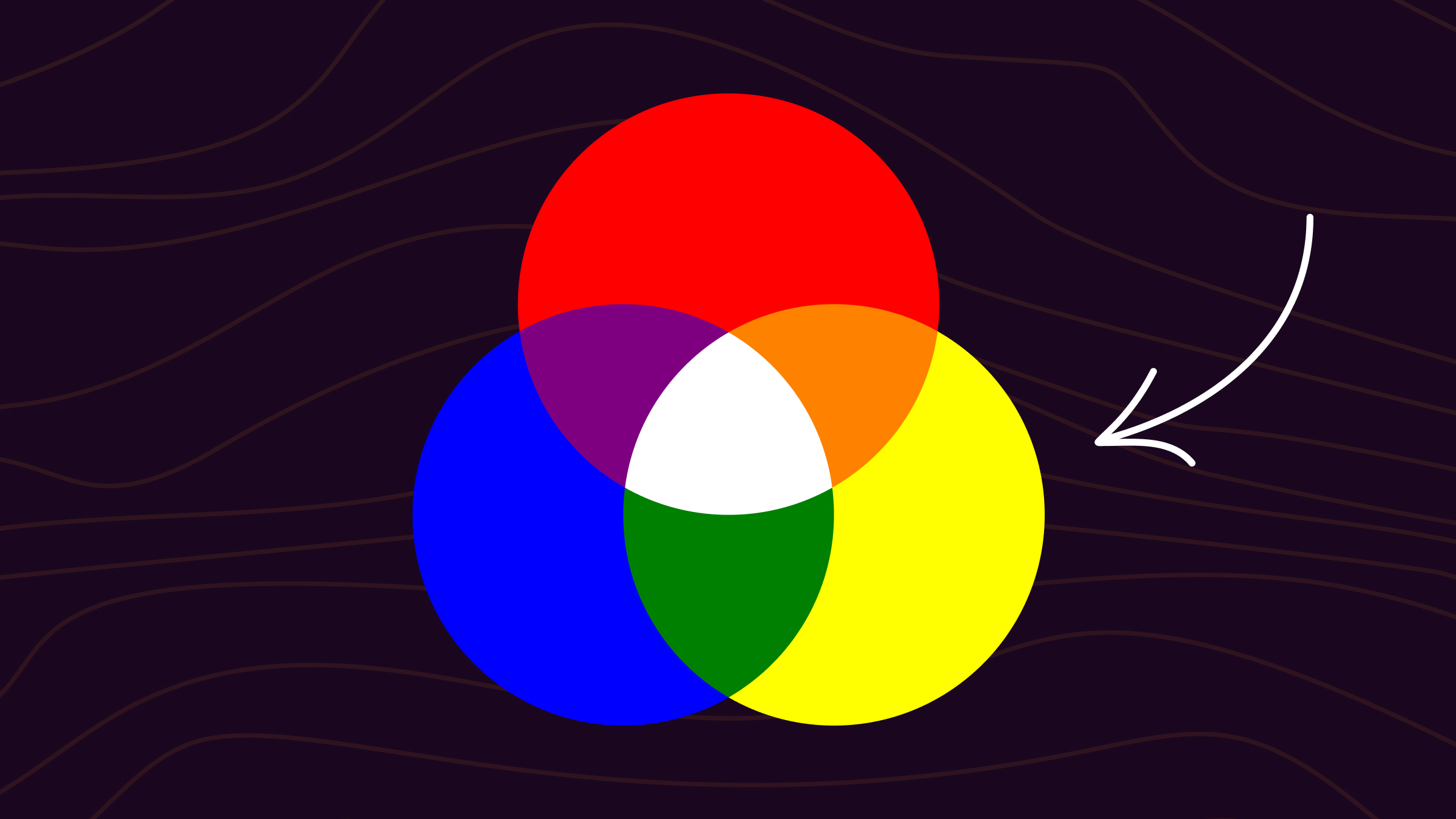
Yellow is one of the three primary colors of the RYB (Red, Yellow, Blue) color wheel.
What Colors Make Yellow?
On digital displays (phones, monitors, televisions), yellow forms when red and green light combine. This is additive color mixing: the two wavelengths together stimulate the cones in your eye that register yellow.
In traditional painting, yellow is a primary pigment. It cannot be mixed from other paints. You can blend it with other colors to create new shades (yellow plus red makes orange, yellow plus blue makes green), but you cannot produce pure yellow by combining any other paints.
The same is true for ink printing, where the base colors are cyan, magenta, and yellow (CMY). Yellow is one of the starting inks, not a mixed result.
So the practical answer depends on what you are working with: red plus green light on a screen, or a tube of yellow paint on a canvas.
How to Make Yellow (Step-by-Step)
If you’re working with paint, you can’t make yellow from scratch. Yellow is a primary pigment, so it has to come from a tube. The good news is that you can shift any yellow toward almost any variation you want with small adjustments. The basic process:
- Start with the right base yellow. Cadmium yellow is a warm, slightly orange-leaning yellow that mixes cleanly. Hansa yellow or lemon yellow leans cool and is closer to a neutral primary. Naples yellow is muted and earthy. Pick the base based on the direction you want to end up.
- Decide which direction to shift. Lighter or darker (lightness), warmer or cooler (temperature), brighter or duller (saturation). Yellow is the most fragile color on the wheel, so going slow matters more here than with any other primary.
- Lighten with white, very gradually. Yellow is already light, so a small amount of white pushes it a long way. A fingertip-sized dab is plenty. Too much white turns yellow into cream or bone.
- Darken with violet or burnt umber, not black. Black turns yellow olive almost instantly. A tiny amount of violet (its complement) darkens cleanly. Burnt umber gives a warmer, more golden dark yellow useful for ochre and goldenrod tones.
- Warm yellow with red or burnt sienna. A small amount of cadmium red or scarlet pushes yellow toward orange and amber. Burnt sienna gives a more muted warmth, closer to ochre or caramel.
- Cool yellow with green or a touch of blue. A drop of phthalo green pulls yellow toward chartreuse and lime. Blue cools faster but also dulls the yellow, so use a tiny amount only.
- Test on a swatch before committing. Yellow shifts dramatically as it dries (especially in oils and acrylics) and reads differently next to other colors. Mix small, paint a swatch, let it dry, then decide.
On screen, yellow is the additive mix of red and green light. Set red and green channels to 255 and blue to 0 for pure yellow (#FFFF00). Lower the blue channel under 50 for warmer yellows. Drop the red channel slightly to push toward chartreuse. In CMYK printing, yellow is a base ink, so it’s printed directly rather than mixed.
Creating Different Shades of Yellow
Starting from a basic yellow, you can reach nearly every yellow-adjacent hue by adding white (to tint), violet or burnt umber (to darken), or a neighboring color from the wheel to shift its temperature. Each shade below has a recipe you can mix on a palette today, plus the closest hex code if you need to match it digitally.
How to Make Banana Yellow
Banana yellow is a soft, friendly yellow with a hint of warmth. Mix banana yellow by adding a small amount of white to cadmium yellow, in roughly a 4:1 ratio of yellow to white. The result is a yellow with the same warmth as a ripe banana, slightly less saturated than pure cadmium.

How to Make Flaxen Yellow
Flaxen yellow is a muted, earthy yellow with a softer feel than gold. Mix flaxen by adding a small amount of gray (white plus black) to cadmium yellow, then a tiny amount of burnt umber for warmth. The gray pulls down the saturation while keeping the warmth intact.

How to Make Gold
Gold is a deep, warm yellow with a metallic feel. Mix gold by combining cadmium yellow with a small amount of cadmium red and a tiny dab of burnt umber. The red pushes the yellow toward orange while the burnt umber adds depth without graying the color out. For a more metallic look, add a touch of yellow ochre.

How to Make Mustard Yellow
Mustard yellow is a warm, dulled yellow with golden undertones. Mix mustard by combining cadmium yellow with a small amount of cadmium orange and a touch of burnt umber. The umber is what gives mustard its earthy quality. For a deeper mustard, add more umber and a tiny amount of red. The closest hex for a deeper, more saturated mustard is #E1AD01.

How to Make Cadmium Yellow
Cadmium yellow is the warm yellow most painters use as their primary yellow base. If you don’t have a tube of cadmium, the closest mix is Hansa yellow (lemon yellow) plus a tiny amount of cadmium red, in roughly a 12:1 ratio. The red shifts a cool yellow toward the warmer cadmium range without muddying it.

How to Make Amber
Amber is a deep, warm yellow with a strong orange lean. Mix amber by combining cadmium yellow with cadmium orange in roughly a 2:1 ratio. For a more saturated amber, add a tiny amount of red. Amber works well for autumnal palettes, retro branding, and warm sunset tones.

How to Make Goldenrod
Goldenrod is a deeper, more muted yellow with a strong brown undertone. Mix goldenrod by combining yellow with burnt umber and a small amount of cadmium orange. The umber dulls the saturation while the orange keeps the color from going too brown. Used in interior design and earth-toned palettes.

How to Make Pastel Yellow
Pastel yellow is a soft, light yellow with low saturation. Mix pastel yellow by adding a generous amount of white to cadmium yellow, in roughly a 1:3 ratio of yellow to white. For a slightly cooler pastel, use lemon yellow as the base. Common in spring branding, baby products, and minimalist UI.

How to Make Lemon Yellow
Lemon yellow is a cool, bright yellow leaning slightly toward green. If you have a tube of Hansa yellow or lemon yellow, you’re done. Otherwise, mix lemon by combining cadmium yellow with a tiny amount of phthalo green or cool blue, in roughly a 20:1 ratio. The green pulls the warm yellow toward the cooler lemon range.

How to Make Cream
Cream is the lightest yellow, almost white but with enough warmth to read as a soft yellow. Mix cream by adding cadmium yellow to white, in a heavy 1:8 ratio. The yellow should be barely visible. For a slightly warmer cream, use a tiny amount of yellow ochre instead of pure cadmium.

How to Make Canary Yellow
Canary yellow is a bright, slightly cool, light yellow. Mix canary by combining lemon yellow with white, in roughly a 3:1 ratio. The result is a light, energetic yellow that reads brighter than pastel yellow but softer than pure cadmium.

How to Make Light Yellow
Light yellow is the broad family of pale yellows. The simplest recipe is any base yellow plus white, with the ratio depending on how light you want to go. For a softer light yellow, mute the result with a tiny amount of complementary violet or burnt umber. The closest hex for a generic light yellow is #FDFD96.
How to Make Dark Yellow
Dark yellow covers the goldenrod and ochre range. Mix dark yellow by adding a small amount of burnt umber or violet to cadmium yellow. Avoid black, which turns yellow olive. For a richer dark yellow, layer a glaze of transparent yellow over a darkened base. The closest hex for a saturated dark yellow is #DAA520.
Quick Reference: Yellow Mixing Cheat Sheet
Every yellow shade above in one extractable table. Save it, copy it, paste it wherever you need it.
| Shade | Hex | Mixing Recipe |
|---|---|---|
| Banana Yellow | #FFE135 | Cadmium Yellow + White (4:1) |
| Flaxen Yellow | #F9DA7F | Cadmium Yellow + Gray + tiny Burnt Umber |
| Gold | #FFD700 | Cadmium Yellow + small Cadmium Red + tiny Burnt Umber |
| Mustard Yellow | #FFDB58 | Cadmium Yellow + small Cadmium Orange + Burnt Umber |
| Cadmium Yellow | #FFF600 | Hansa/Lemon Yellow + tiny Cadmium Red (12:1) |
| Amber | #FFBF00 | Cadmium Yellow + Cadmium Orange (2:1) |
| Goldenrod | #DAA520 | Yellow + Burnt Umber + small Orange |
| Pastel Yellow | #FDFD96 | Cadmium Yellow + lots of White (1:3) |
| Lemon Yellow | #FFF700 | Hansa Yellow OR Cadmium + tiny Phthalo Green (20:1) |
| Cream | #FFFDD0 | Yellow + lots of White (1:8) |
| Canary Yellow | #FFFF8F | Lemon Yellow + White (3:1) |
| Bright Yellow | #FFFF00 | Pure Cadmium or Hansa Yellow |
Common Yellow Hex Codes
Here are 12 yellow shades with their hex codes and RGB values, ready to copy into Figma, CSS, or any design tool. Each hex code links to its ColorKit page with palettes, variations, and CSS snippets.
| Name | Hex Code | RGB Value |
|---|---|---|
| Banana Yellow | #FFE135 | rgb(255, 225, 53) |
| Flaxen Yellow | #F9DA7F | rgb(249, 218, 127) |
| Gold | #FFD700 | rgb(255, 215, 0) |
| Mustard Yellow | #FFDB58 | rgb(255, 219, 88) |
| Bright Yellow | #FFFF00 | rgb(255, 255, 0) |
| Cadmium Yellow | #FFF600 | rgb(255, 246, 0) |
| Pastel Yellow | #FDFD96 | rgb(253, 253, 150) |
| Amber | #FFBF00 | rgb(255, 191, 0) |
| Goldenrod | #DAA520 | rgb(218, 165, 32) |
| Lemon Yellow | #FFF700 | rgb(255, 247, 0) |
| Cream | #FFFDD0 | rgb(255, 253, 208) |
| Canary Yellow | #FFFF8F | rgb(255, 255, 143) |
A few of our most-viewed yellows up close:

If you are picking a yellow for a brand or UI, start with the color picker to find the exact hex, then use the shade generator to build a full ramp of tints and shades in seconds.
Ready-made Yellow Palettes
If you want yellow paired with complementary colors, these palette collections give you ready-to-copy hex sets. Open any of them in ColorKit to tweak, save, or export as CSS.
- Yellow palettes: Hand-picked yellow-first palettes across the site, from soft pastels to bold saturated combos.
- Sunshine palettes: Warm, cheerful palettes built around yellow, gold, and orange tones.
- Pastel yellow palettes: Soft pastel yellow combinations that pair well with mint, blush, and powder blue.
- Autumn palettes: Yellow paired with rust, burnt orange, and deep brown for autumnal design work.
Want to generate your own? Try the palette generator, or pull a palette directly from a photo with the palette from image tool.
Making Warmer Shades of Yellow
To warm yellow up, add a warm color to a warm yellow base. Cadmium yellow works well because it is close to neutral. Scarlet and burnt sienna are the two warming colors that produce the most natural-looking results.
A small amount of scarlet mixed into cadmium yellow gives a blazing, slightly orange yellow. Because scarlet is a vibrant warm red, it shifts the yellow without muddying it. Control the warmth by adjusting how much scarlet you add.
Burnt sienna is a darker, cooler red with a hint of blue. Mixed into cadmium yellow it produces a warm but more muted tone, closer to yellow ochre or a rich caramel. This combination is useful for earthy, autumnal palettes.
Making Cooler Shades of Yellow
To cool yellow, you need two things: a cool yellow base (such as cadmium yellow light, which has less red in it) and a cool blue. A warm yellow base already contains some red, so adding blue will pull it toward brown or muddy olive.
Yellow is a light color, so blue can overwhelm it fast. Add blue in small amounts. As you increase the blue, the yellow shifts toward green: this is still a yellow-leaning green, which is often exactly what you want for foliage, lime, and mint palettes.
Why Your Yellow Mix Goes Wrong
Yellow is the most fragile color on the wheel. It shifts faster than any other hue, and small amounts of any other color can dominate it. The four most common problems and how to fix them:
- Your yellow turned olive green. You added black, or your darker pigment had blue or green in it. Yellow plus black is famously olive. Restart with cadmium yellow and use violet or burnt umber to darken instead. If you’ve already got olive, scrape off and start again, since recovering yellow from olive is very hard.
- Your yellow looks dirty or brown. Too much complementary violet, too much burnt umber, or both. Yellow’s complement is violet, so even a tiny amount tips toward gray and brown fast. Pull back, add a small amount of pure cadmium back into the mix, and lighten with white if needed.
- Your yellow looks washed out or chalky. Too much white, or your base yellow was already low-saturation. Yellow loses its punch quickly when lightened. Restart with a higher-chroma yellow (Hansa or cadmium) and add white in tiny amounts. If chalky, the white may be lower-quality titanium white, which has a flat undertone.
- Your yellow won’t read warm enough. The base is probably a cool yellow (lemon or Hansa). Switch to cadmium yellow as your starting point, or add a small amount of cadmium red to your existing mix to push it warmer. Add slowly, since red overpowers yellow fast.
In digital design, the equivalent issues are easier to fix. If a yellow looks wrong on screen, switch to HSL mode and check the values. A clean yellow has hue close to 60°, high saturation, and lightness around 50%. Drift toward 50° pulls toward orange. Drift toward 70° pulls toward chartreuse. If saturation drops below 70% the color reads muddy.
FAQs
What colors make yellow in light?
Red light plus green light, at similar brightness, makes yellow. This is additive mixing, the same system digital screens use to display yellow pixels.
Can you mix paint colors to get a true yellow?
No. Light uses additive mixing, so red plus green gives yellow. Paint uses subtractive mixing, where pigments absorb light. You need a yellow pigment to produce a clean yellow on canvas or paper.
What two colors make yellow in CMYK printing?
Yellow is one of the four base inks in CMYK (cyan, magenta, yellow, black), so it is printed directly. You cannot mix CMYK inks to produce pure yellow.
How can I make yellow warmer or cooler?
- Warmer: add a touch of orange or red.
- Cooler: add a bit of green or a tiny touch of blue. Blue dulls yellow quickly, so go slowly.
How do I darken yellow without making mud?
Use a tiny amount of violet or purple, or try raw umber or burnt umber. Add slowly. Black often shifts yellow toward olive green, which is usually not what you want.
What colors make mustard yellow?
Mustard yellow is made by mixing cadmium yellow with a small amount of cadmium orange plus a touch of burnt umber. The burnt umber gives mustard its earthy, dulled quality. For a deeper mustard, add more umber and a tiny amount of red.
What colors make gold?
Gold is made by mixing cadmium yellow with a small amount of cadmium red and a tiny dab of burnt umber. The red shifts the yellow warmer, and the umber adds depth. For a more metallic feel, add a touch of yellow ochre. Gold differs from mustard in that it stays warm and saturated, while mustard is more muted.
How do I make light yellow without making it look chalky?
Use a high-chroma base yellow like cadmium or Hansa, and add white in very small amounts. Yellow loses saturation faster than other colors when lightened, so build up gradually. If the result still looks chalky, your white may be too cool, try a slightly warmer titanium-zinc blend or add a tiny amount of yellow ochre to warm the lighter mix.
Can I make yellow with food coloring?
Most food coloring sets include a pure yellow (Yellow 5 or Tartrazine). To shift it: a tiny amount of red food coloring pushes toward orange. A tiny amount of green pushes toward chartreuse. As with paint, you can’t make yellow from other food colors since yellow is a primary in the food coloring system.
What colours make yellow? (UK spelling)
Same answer, different spelling. Yellow is a primary pigment, so you cannot mix it from other paints. On a screen, red and green light combine to make yellow.
Putting It Into Practice
Yellow sits in an unusual spot: on a screen, red and green light combine to create it. In paint and ink, it is a starting point you can shift but not produce from scratch. Once you know which model you are working in, mixing yellow (or shifting an existing yellow) becomes predictable.
When you push yellow toward a different hue, go slow. A small amount of a strong color can dominate yellow quickly and push you past the shade you wanted. If you want to explore hex-level variations without guessing, open the shade generator and drop any yellow hex in: you will get an instant ramp of tints and shades.
I am trying to find out how to make yellow….. the original yellow that is in all these combos to create other yellows…… red and green….. where did the yellow that went into making the green come from? it’s primary … I get that …. how was it made!?
Lies!!!!!!!
You cannot EVER mix yellow paint from Red plus Green!
What other lies are you telling my students?
Go back to the mixing board and try to make yellow from Red and green!
Try harder!!!!!!
Thank you, John! I have adjusted the article. It was originally referring to digital displays and not painting, but I added a clarification that yellow is a primary pigment. I appreciate this!