


Coming up with a color scheme, palette, or combination for your business logo can be tough.
If you’ve already got a brand color palette, you’ll normally use that to pick your logo colors … but what if you’ve not yet set your brand colors?
Choosing brand colors doesn’t just mean finding a color palette that looks good: your colors need to evoke the right feelings, emotions, and associations for your target audience.
We’re going to take a look at real-life examples of a range of color schemes and combinations, from big brands. You’ll get to see different palettes that complement each other … and find inspiration for your own business logo design.
The Quick Version
Great logo color schemes use contrast and emotion to tell your brand’s story. Bold pairs like yellow-purple or orange-black feel energetic, while blue, green, and white feel calm and trustworthy. Generally, two-color combinations work well without looking too busy. Choose colors that fit your industry, audience age, and desired mood, then keep the palette simple and memorable.
Stunning Logo Color Schemes (and Color Combinations):
1. Yellow-Gold and Purple
Both purple and yellow-gold are highly-saturated colors, and add life and energy to any logo. As complementary colors, purple and yellow “pop” and create a strong, powerful color scheme.
Yellow-gold and purple are the colors used in the LA Lakers’ logo, symbolizing the team’s vibe and distinctiveness, while also portraying the movement and energy that surrounds basketball. The classy and celebratory nature of purple and yellow-gold also make them great colors for Hallmark’s logo.
2. Blue and Yellow
Yellow is the king of attention-grabbing colors, which is why it is a part of so many logos, regardless of business or industry. If you do go for the blue and yellow combination, it often works best to use yellow for the background and blue for the actual logo.
This color combination is confident yet playful, sending the message that the brand behind the logo is reliable and trustworthy, as with IKEA’s logo above. Yellow also carries a connotation of “great value”, as it’s often used for sale or discount stickers.
3. Green and Blue
Generally, green and blue are associated with calm and tranquility. However, a lime green and electric blue color can also portray youthfulness and exuberance.
This bright color combination is often great for brand identity in creative industries like entertainment, media, and fashion. Above, you can see the Microsoft Edge logo, with its energetic lime green and different shades of blue, signalling the browser’s suitability for work and play.
4. Orange and Black

The powerful black combines beautifully with the energetic orange, creating an aura of excitement and mystery.
This two-color combination is well-suited for industries that promise thrill and adventure, such as nightclubs, escape rooms, or extreme sports. Orange can also help imply speed and value … a big part of Amazon’s promise to customers.
5. Blue and Pink
Blue and pink can complement each other well. The combination can create a balanced composition or add a flash of visual interest, as in the flickr logo above.
The palette communicates messages of trustworthiness, warmth, and even creativity and humor. Give these a try if you want to create a logo that has a bit of a twist.
6. Peach and Maroon
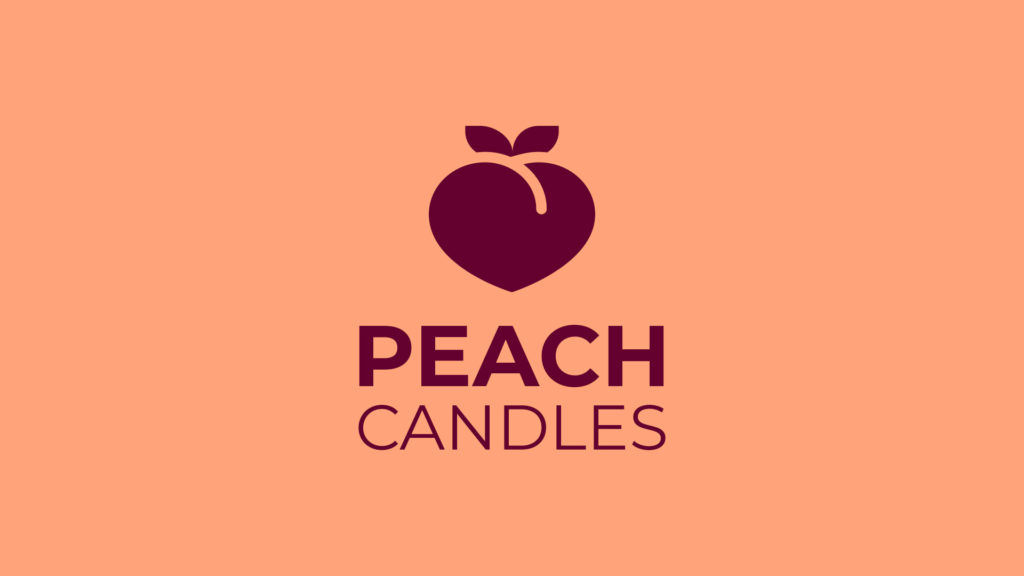
The peach and maroon/plum combo is a little more unusual than some of the above options. It can add a homely calm or a natural feel to your brand.
You might want to give this palette a try if you operate in the home décor, alternative medicine, or fashion industries.
7. Yellow, Red, and Navy

If you are feeling bold, and want your customers to see your business in the same light, why not try out this trio of electric colors? The brightness of the red beautifully complements the regality of the navy and the cheerfulness of the yellow, emitting confidence and power.
This three-color combination can work well for a restaurant or an entertainment brand. For other triadic color palettes, check out our article on What is a Triad Color Scheme?
8. Turquoise and Blue
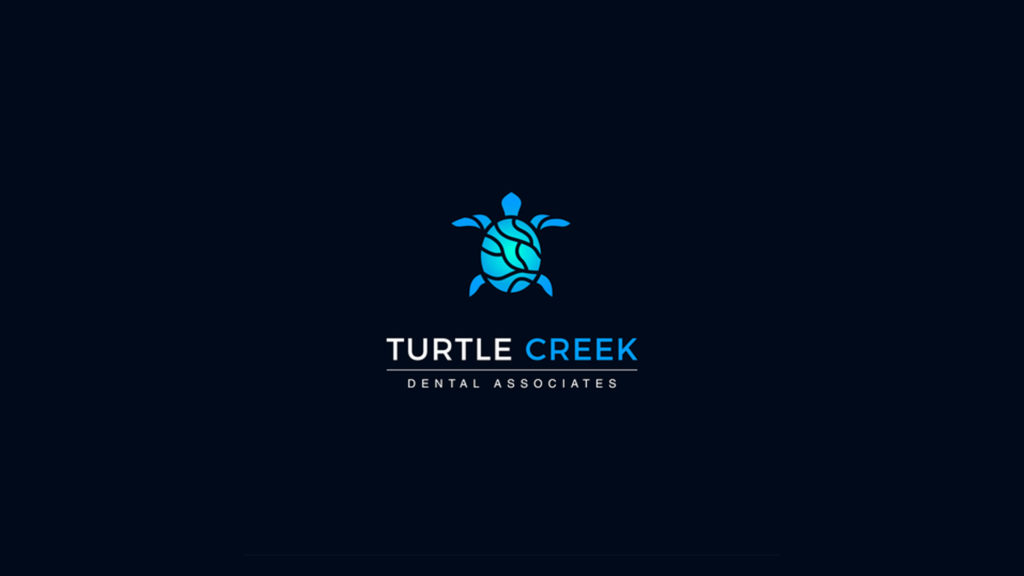
If you want people to see your brand as confident, trustworthy, and intelligent, give the blue and turquoise combination a try. These colors, next to one another on the color wheel, form an analogous color scheme, smooth and calm … but different enough to catch attention.
Bright colors, when used tastefully, can add a real spark to any design.
9. White and Blue
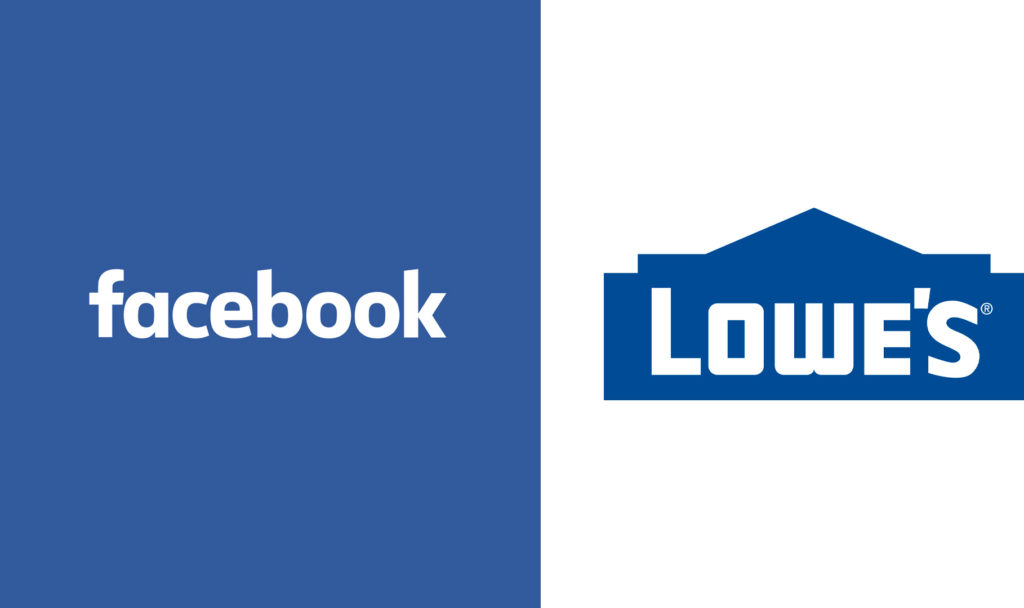
The white and sky-blue combo is a definite fan favorite, triggering feelings of tranquility, reliability, and calmness. This combination is quite versatile and can be effectively used across a wide variety of industries, ranging from health to tech to nonprofit.
The negative space that the white creates can be effectively used to direct the audience towards a vital design element.
10. Black and Neon Green

While neon green might remind you of 80s ski jackets, the shade also communicates vibrancy and vitality. Combining such a color with black helps to catch the audience’s attention and enables them to focus on your brand name.
However, neon green can potentially evoke feelings of danger or threat (due to its association with toxicity) so keep that in mind too. Neon is most suitable for brands with younger target audiences, such as Sprite and Spotify.
11. Mustard Yellow and Brown

A vintage combination, mustard-yellow and brown is best suited for brands looking to give off a traditional and sophisticated vibe, evoking a sense of trust.
Color combinations using these muted yellows and browns are great for artisanal services, as well as any cafes or restaurants with traditional atmospheres, as in our mock-up of a restaurant logo above.
12. Red and Yellow
Red and yellow are an eye-catching combination. With yellow’s associations of value and warmth, and red as a “stop” color that gets us to pay attention, this high-impact logo combo is great for giving a youthful sense of energy and excitement.
These bold primary colors are also associated with appetite stimulation and speedy decision-making, so it’s no coincidence that they’re used by many fast food outlets … including McDonald’s.
Frequently Asked Questions
Got questions about coming up with your perfect logo color scheme or your brand’s visual identity? Here’s what you need to know.
How do I choose the right color scheme for my logo?
Start with your brand message and ask yourself:
- What does my brand stand for?
- Who am I talking to?
- How do I want people to feel?
Then match colors to those answers. For example, a wellness brand may lean on calm blues and soft greens, while a bold streetwear brand may favor high-contrast reds and blacks.
Stuck? Collect 5 to 10 logos you like, drop them into a mood board, and look for patterns in the colors you are drawn to.
What do common logo colors usually communicate?
Color meanings are not perfect or universal, but some patterns are widely used in branding. Here is a quick snapshot of common associations that specific colors may have for your audience:
| Color | Common Associations | Often Used By |
|---|---|---|
| Red | Energy, passion, urgency, excitement | Food, sports, entertainment |
| Blue | Trust, calm, stability, reliability | Finance, tech, healthcare |
| Green | Growth, health, nature, balance | Eco brands, wellness, food |
| Yellow | Optimism, warmth, youth, attention, value | Retail, kids’ brands, casual food |
| Orange | Friendly, playful, confident, energetic | Startups, apps, creative services |
| Purple | Imagination, luxury, mystery, creativity | Beauty, luxury, education, tech |
| Black | Power, elegance, modern, premium | Fashion, luxury, high-end services |
| White | Simplicity, purity, space, clarity | Minimal brands, tech, lifestyle |
| Gray | Neutrality, balance, professionalism | B2B services, consulting, software |
How many colors should my logo have?
Most strong logos use one to three colors, plus neutrals.
- One-color logos feel simple, bold, and flexible.
- Two-color logos are very common; one color does the heavy lifting, the second adds contrast.
- Three-color logos can work if they are well-balanced, but they are easier to mess up.
If your logo looks messy in black and white, it probably relies too much on color.
Conclusion
Color psychology creates a huge impact on our conscious and subconscious brains. Your logo may well be the very first thing a potential customer sees … so it’s vitally important.
Designing a branding color palette?
Try: Color Palette Generator
Your logo tells your brand’s story. The colors that you choose should effectively narrate that story while resonating with and triggering positive emotions in your target audience.